

Political Implications of TPS for Philippines and America
By: Joe Mauricio
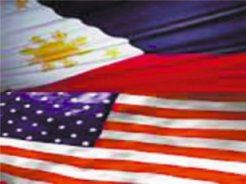 It is now almost three months since the Department of Foreign Affairs of the Philippines applied for Temporary Protected Status (TPS) for Filipinos residing in the United States. The non-communicative state of the two governments (Washington, D.C. and Manila) must not bother anyone, as there must be a dialogue exchanges going on between the two governments. The political implications of TPS are huge, and the benefit for the Philippines is even larger. For those concerned about the belligerent China, Philippines is of particular interest as it is in Southeast Asia, region of diverse cultures that involve all the major powers in the Asia-Pacific in multiplicity of strategic interests. For the TPS to pass, the Philippines should grant more military exercises, or possible increase the American presence in the Philippines, or possibly the use of the old American naval bases in Subic Bay. The Philippines will be asking for more naval frigates to patrol the Spratly’s and other disputed areas in the South China Sea and possibly increase the immigrant visas, as both countries have desire to maximize economic and technological gains from this relationship. Right now, the Philippines is enjoying the military ties with the United States and would like to maximize it. Therefore, the United States retains an extremely favorable position in the Southeast Asia, even in the face of China’s growing influence. Given this situation, Washington can react by passing the Philippines’ request for TPS. This low level approach can be supplemented when necessary by initiatives related to Washington’s own strategic imperatives, such as current war on terrorism. Because the U.S. has more power, more military hardware, and provides more security goods for the Philippines. Rather than trying to contain China’s growing power, America could use the Philippines as a testing ground to evaluate China’s initiatives by giving the Philippines what they want. Now U.S. gains economic and diplomatic weight, and the Philippines gains more high-profiled U.S. activity along Scarborough Shoals and the Spratly Island. So if we don’t hear from the players that play the game of diplomacy, the dialogues between the U.S. and the Philippines are loud and clear. The Democratice Party just waiting the Republican Party for a bipartisan approval of the Philippines’ request, while the diplomatic weight is overbearing for both Democrats and Republicans who are worried about the coming 2016 election. It is not about right or wrong. The American voters will approve and pass the TPS. These are the same voters that gave help and relief to the victims of the typhoons in the Philippines. Passing the TPS is another way for America to help the Philippines, this time through humanitarian way. With President Obama’s approval rating drop to the lowest point ever, a foreign policy shift for approving the Philippines’ request for TPS approval must be considered. This approval on humanitarian request could galvanize and maintain Obama’s good image as a humanitarian president. The political implications of TPS play a big role for both the Philippines and U.S. and Janet Napolitano of the Homeland Security should also be as humanitarian as her boss.