
Future Leaders of PNAA on ‘Grassroots Organizing’
By: Ryan Tejero
At the core of community leadership is grassroots organizing. It defines a leader in motion and a role that transcends from professional
world to the real world out there – the global community. The strength of an organization does not depend only on leadership direction and control but mainly on how members are actively and collectively engaged and participating in designing what is best for the group.
The Philippine Nurses Association of America (PNAA) is an organization that can surely power up the community. Faced by the many challenges brought about by the evolving regulations on US labor and immigration policies, PNAA must stir up its membership with empowering grassroots initiatives to shape the future of an effective, responsive and relevant PNAA.
As the soon-to-be president-elect of PNAA, I am privileged to solicit the position of the candidates for president-elect on the topic, “grassroots organizing,” a topic close to me as a community leader myself.
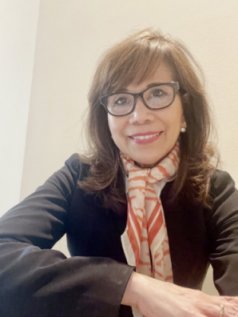
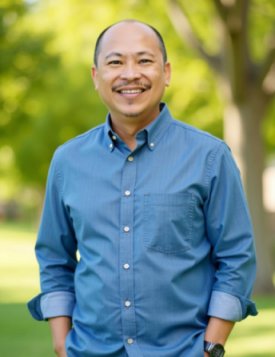
The election that runs from May 1 to June 4, 2026, will name the next leader of this global organization. All three candidates were invited fairly and openly to participate in creating this article: Manny Ramos, DNP, RN from Florida; Riza Mauricio, PhD, RN from Texas and Warly Remegio, DNP, RN from New York. As of press time, only two submissions were received and featured by this columnist.
“My leadership is rooted in grassroots engagement—listening first, leading with purpose, and transforming organizations from the ground up. As a nurse leader, I have learned that sustainable change happens when frontline voices, emerging leaders, and the communities we serve are not only heard but empowered to lead. This principle has guided my work in mentorship, chapter revitalization, and nationally and globally recognized culturally grounded initiatives addressing health disparities disproportionately affecting Filipinos, including cardiovascular disease, diabetes, stroke, dementia and Alzheimer’s disease, and mental health.
As Vice President of the PNAA South Central Region since 2024, I have helped advance a mission-driven, results-oriented approach to service. Under my leadership, SCR chapters collectively served more than 61,000 individuals across the region and over 7,000 internationally through clean water project, health fairs – medical, surgical, and dental services, nutrition education in Davao, Iloilo, Dagupan, etc. and disaster response through Balik‑Tulong humanitarian initiatives in the Philippines. These outcomes reflect what is possible when local leaders are trusted, supported, and united around a shared vision.
I founded the Kabalikat Emotional Wellness Program in 2020 to respond to the growing emotional and mental health needs of Filipino nurses and families, creating culturally responsive spaces for healing, resilience, and workforce sustainability. I have also led with PNAMH Foundation the Opioid Addiction Prevention Education initiatives in Aldine ISD, Houston, and co-created with the PNAA Balik Turo leaders the simulation training in selected Philippine nursing schools, serving more than a thousand student nurses —to enhance the knowledge and the skills of our future generation of nurses.
As President‑Elect, my vision is clear: to elevate PNAA as a purpose‑driven, inclusive, and impact‑focused organization. Through strategic partnerships, external funding, leadership development, and intentional investment in community outreach, emotional wellness and intergenerational mentorship, I will lead PNAA with integrity, unity, and measurable impact—ensuring our organization remains strong, relevant, and transformational for generations to come.”
“Leadership at PNAA does not end at the edges of a professional title — it radiates outward, touching our nurse members, communities, and the Filipino diaspora. As a candidate for PNAA President-Elect, I believe PNAA is not merely a professional association; it is a grassroots engine capable of transforming communities from the inside out.
My leadership has never been confined to conference rooms or committee reports. It lives in the spaces where nurses gather — in retreat halls, virtual forums, and local chapters — because that is where real change takes root.
A concrete example is Camp Aruga, PNAA’s culturally grounded leadership bootcamp that I have directed and now advise. Rooted in Filipino values of aruga (nurturance), kapwa (shared humanity), and bayanihan (collective responsibility), Camp Aruga delivered measurable outcomes: leadership goal achievement
rose from 50% to 80% among participants, and self-care and compassion scores improved significantly.
These are not just numbers — they represent nurses returning to their communities as stronger, more resilient advocates.
Similarly, through the iLDP — the PNAA Innovative Leadership Development Program — I helped build a replicable, community-led leadership pipeline reaching Filipino nurses across the 59 PNAA chapters, with 85% of participants extremely likely to recommend the program and documented
gains in governance, communication, and project leadership.
This is grassroots organizing in action: equipping individual nurses at the chapter level so their impact ripples into the communities.
PNAA is the launchpad. I am committed to lighting that path — one nurse, one chapter, one community at a time.”
PNAA matters. Growing and engaging its members, balanced with prudent leadership is what PNAA deserves. Cheers to the next president-elect!